Home > Products > Rosehip Oil
Product Description
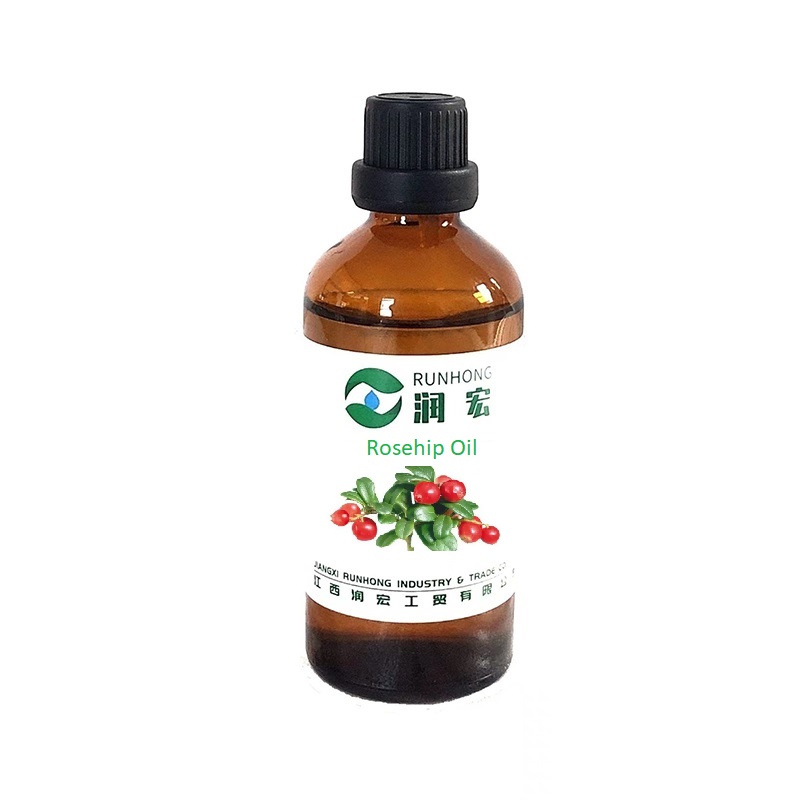
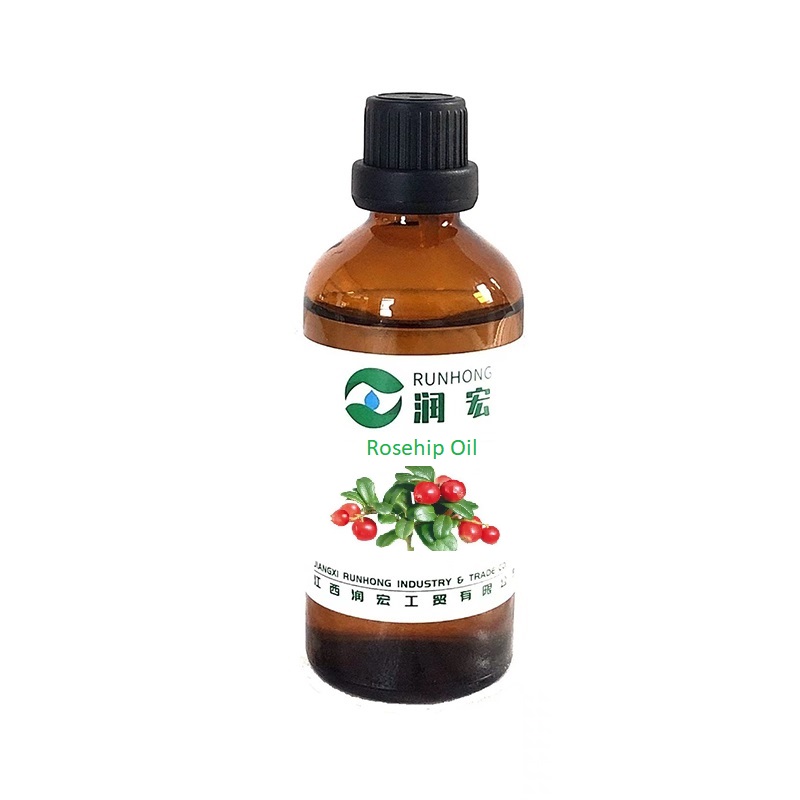
Product Name: Rosehip oil
Material: Rosehip Seeds
Color: Yellow
Grade: Therapeutic grade for cosmetics, medical
Odor: Rosehip odor
Extract: Steam distillation
Used: Body care,skin care,carrier oil
Rosehip oil:
The rose hip or rosehip, also called rose haw and rose hep, is the accessory fruit of the rose plant. It is typically red to orange, but ranges from dark purple to black in some species. Rose hips begin to form after successful pollination of flowers in spring or early summer, and ripen in late summer through autumn.
Rosehip oil is also known as rosehip seed oil. It’s derived from the rosa canina rose bush, which is grown mostly in Chile.
Unlike rose oil, which is extracted from rose petals, rosehip oil is pressed from the fruit and seeds of the rose plant.
Prized since ancient times for its valuable healing benefits, rosehip oil is loaded with skin-nourishing vitamins and essential fatty acids. It also contains phenols that have been shown to have antiviral, antibacterial, and antifungal properties. Rosehip oil is often used as a carrier oil for essential oils which are too intense to put on your skin directly.
Keep reading to learn more about how rosehip oil can benefit your skin, and how to add it to your skincare routine.
1. It hydrates
2. It moisturizes
3. It helps exfoliate and helps brightens skin
4. It helps boost collagen formation
5. It helps reduce inflammation
6. It helps protect against sun damage
7. It helps reduce hyperpigmentation
8. It helps reduce scars and fine lines
9. It helps boost immunity
How to use
Rosehip oil is a dry oil that easily absorbs into the skin.
Although it’s generally safe for all skin types, you should perform a patch test before your first use. This will ensure that you aren’t allergic to the oil.
To do this:
apply a small amount of rosehip oil to your forearm or wrist
cover the treated area with a band aid or gauze
after 24 hours, check the area for signs of irritation
if the skin is itchy or inflamed, you shouldn’t use rosehip oil (see your doctor if the irritation persists)
if the skin doesn’t show any signs of irritation, it should be safe to use elsewhere
Once you’ve done a patch test, you can apply rosehip oil up to twice per day. The oil can be used on its own, or you can add a few drops to another carrier oil or your favorite moisturizer.
Rosehip oil can go rancid quickly. To help extend its shelf life, store the oil in a cool, dark place. You can also store it in your refrigerator.